
Sustainability & Ethics
Our Standards
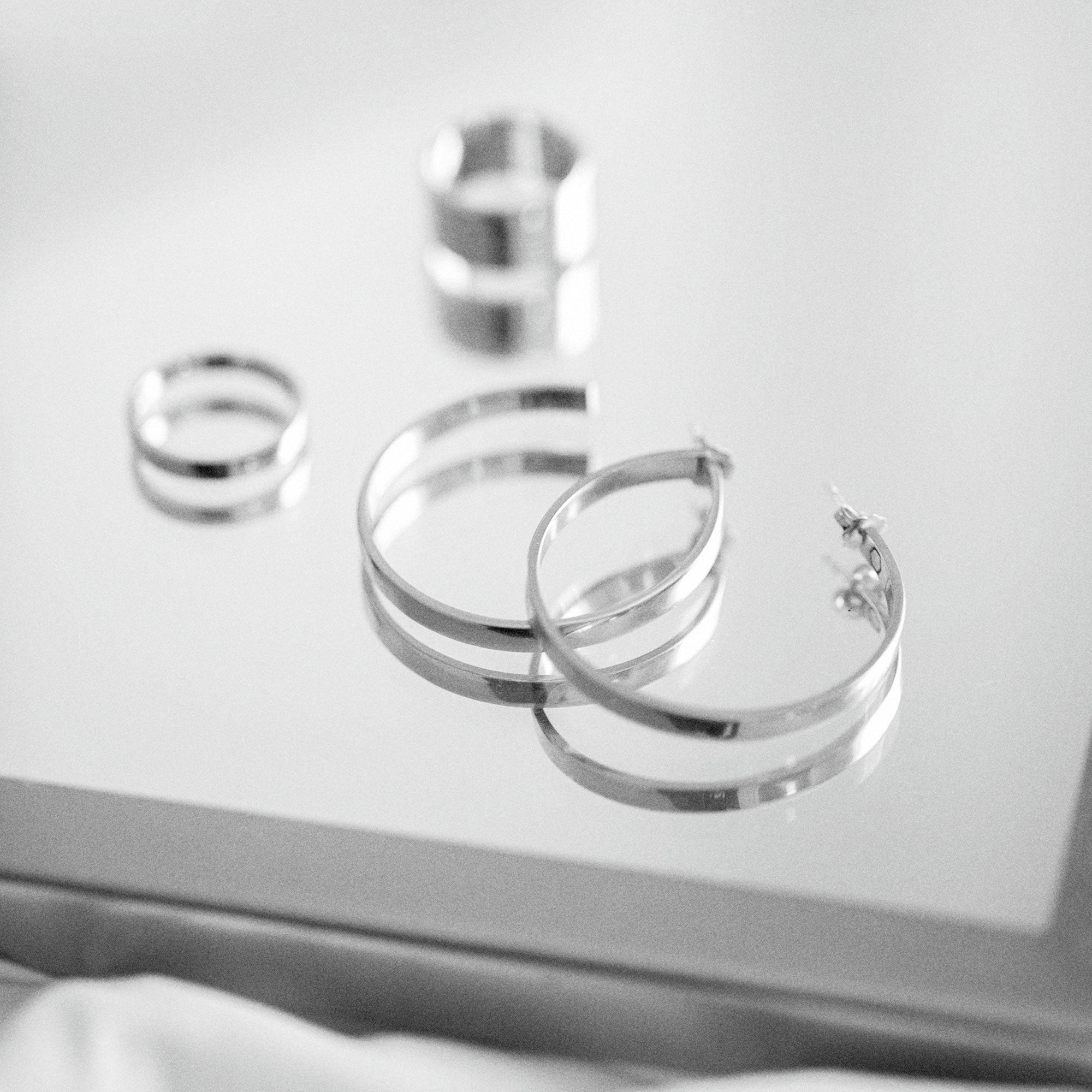
The Cier Name
Cier, pronounced “sea-air,” takes its name from the word glacier. The name reflects our connection to nature and the importance of ice within our environment, particularly as our climate continues to change. This relationship between art and science is woven throughout Cier, influencing both our design language and our commitment to more considered materials and responsible production.
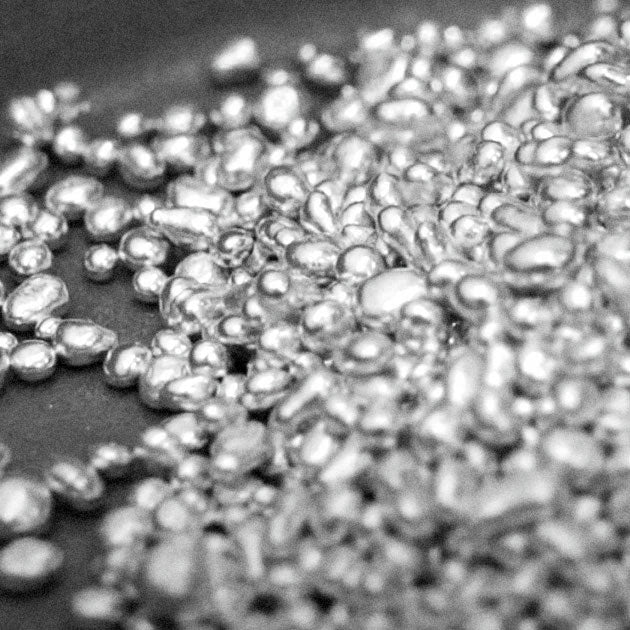
Metals
Our jewelry is crafted using recycled precious metals, reducing the need for newly mined materials while maintaining the quality and longevity we expect from every Cier piece. We use 925 sterling silver (92.5% silver, and 7.5% other metals). Our gold vermeil pieces feature a substantial layer (2.5 microns) of 14K gold over sterling silver. Each material is selected with durability, wearability, and responsible sourcing in mind.
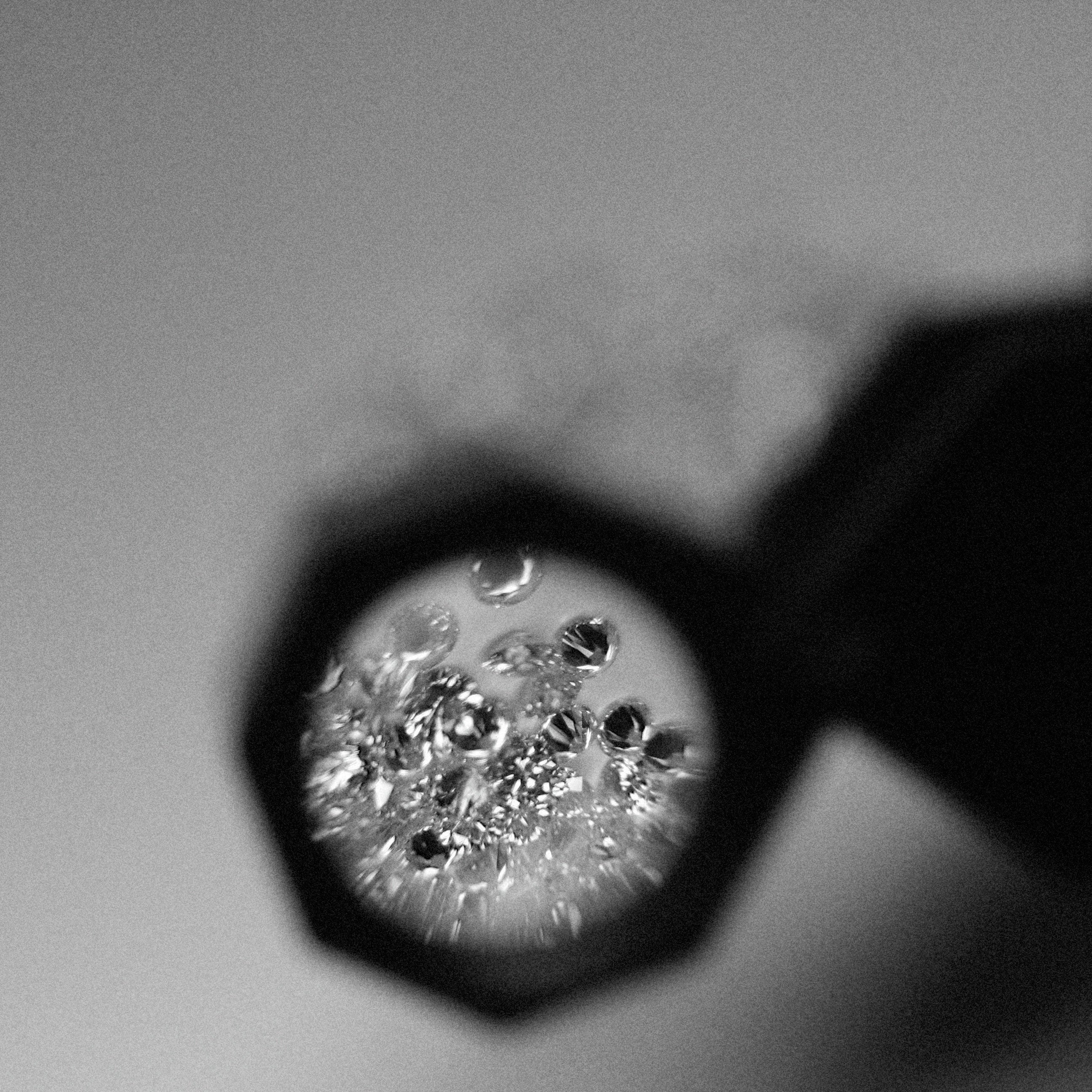
Diamonds & Gemstones
We exclusively use lab-grown diamonds, which offer the same chemical, physical, and optical properties as mined diamonds. Lab-grown diamonds are created from real diamond cultures through HPHT (high-pressure high-temperature) or CVD (chemical vapor deposition). Our designs also feature ethically sourced natural gemstones, chosen for their color, character, and role within each piece.
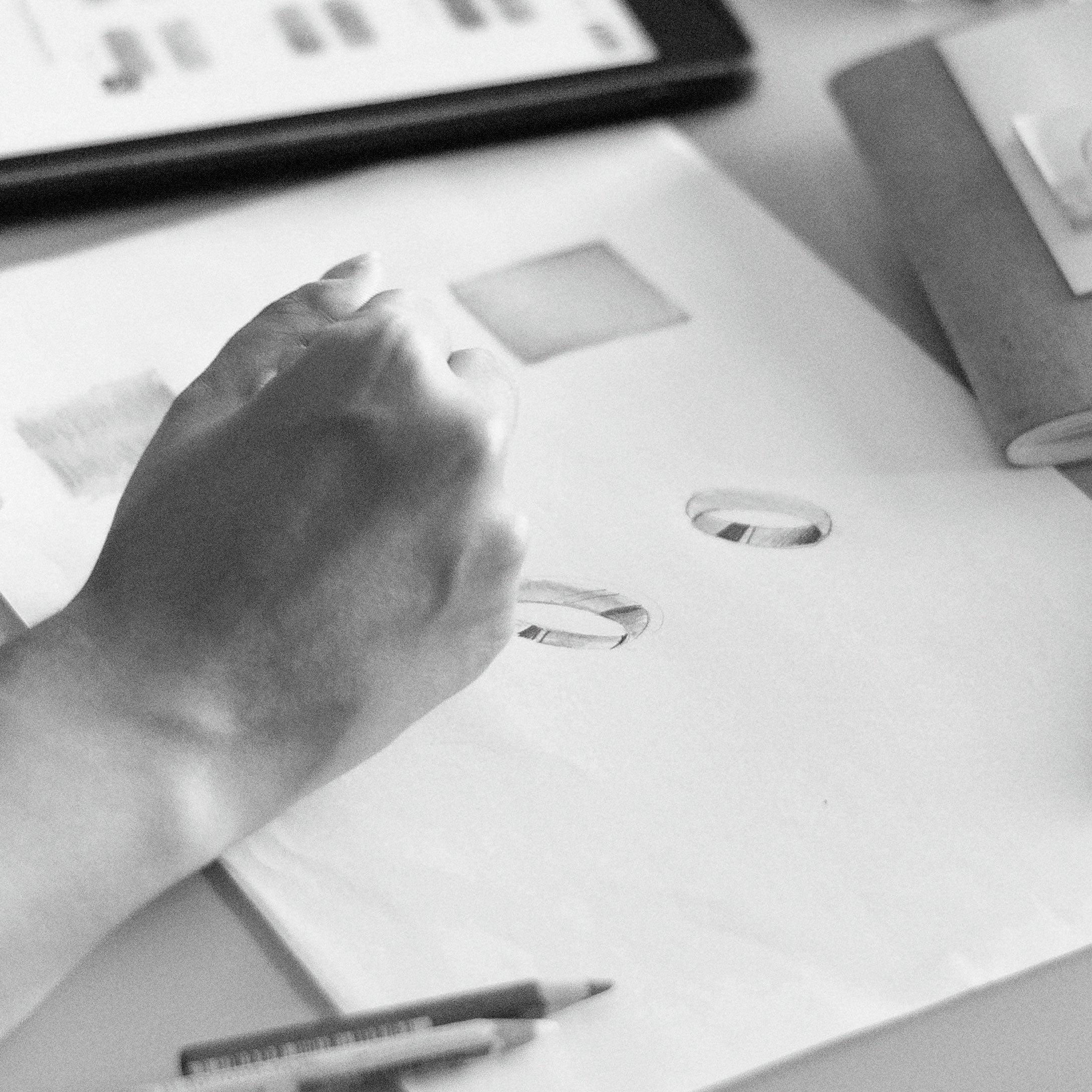
Design
We take great care in the design of every Cier piece. Dimension, weight, materials, wearability, and durability are carefully considered throughout the process. We create our jewelry with legacy in mind, to be cherished and passed down through generations.
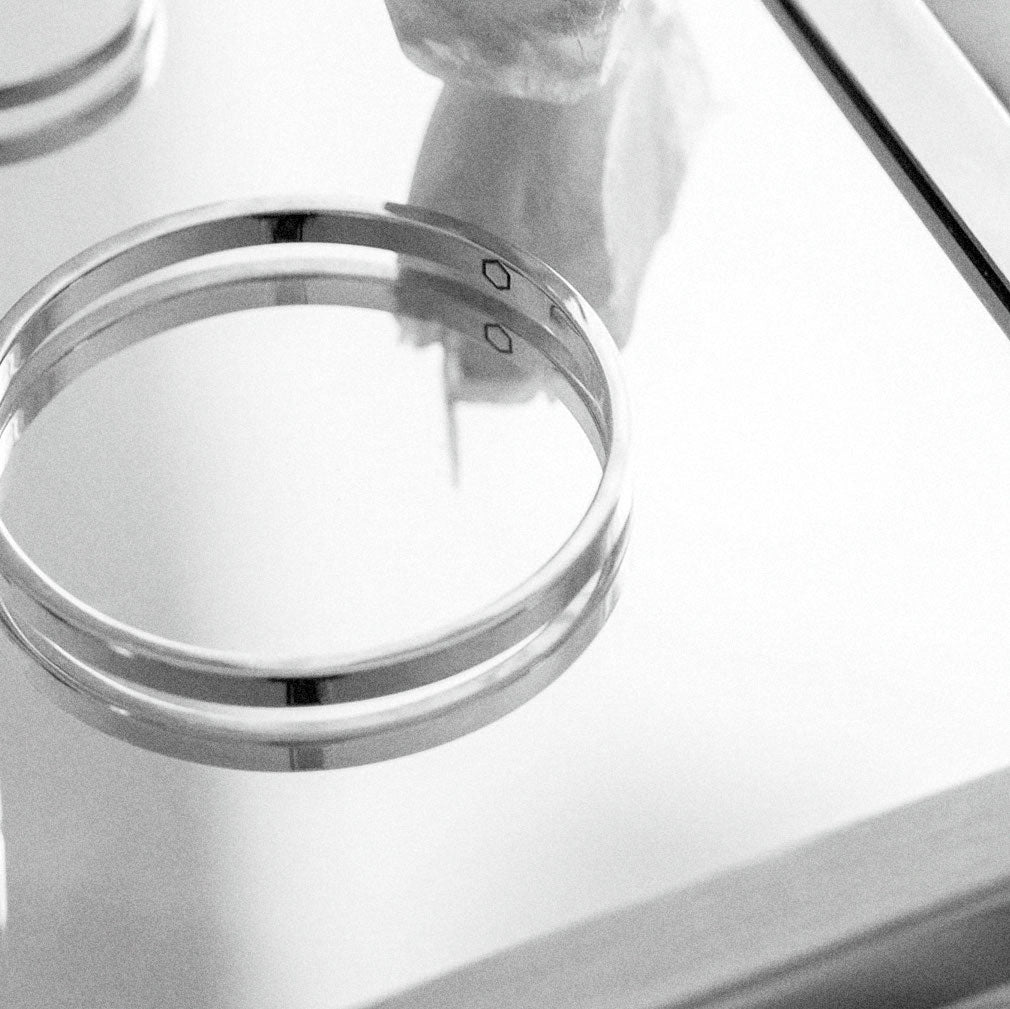
The Hexagon
An integral part of the Cier brand identity is the hexagonal shape formed at a molecular level through the bonding of oxygen and hydrogen in ice. The hexagon appears across Cier’s designs and visual identity as a subtle reference to the inspiration behind our name.

Responsible Partners
Our jewelry is produced by manufacturers who are members of the Responsible Jewellery Council (RJC), the global membership and standards body for responsible jewelry throughout the entire supply chain, from mine to retail. The RJC’s Code of Practices draws on internationally recognized frameworks, including the Universal Declaration of Human Rights, ILO principles, the UN Global Compact, and the Sustainable Development Goals. We partner with manufacturers held to established standards across human rights, labor practices, responsible sourcing, environmental impact, and business ethics.

Ethical Working Conditions
We believe the people behind our products matter just as much as the materials we choose. In addition to working with Responsible Jewellery Council (RJC) members for our jewelry, we select production partners for our handbags and silk scarves with fair and ethical working conditions in mind. Across our supply chain, we prioritize fair wages, transparency among our direct suppliers, and zero tolerance for forced labor, human trafficking, or child labor.

Packaging
Our packaging is thoughtfully selected to balance presentation with environmental responsibility. As Cier evolves, we continue to prioritize recyclable and responsibly sourced materials wherever possible, while keeping our packaging intentional and minimal.

OEKO-TEX® Silk
Our silk scarves are crafted from OEKO-TEX® certified mulberry silk, chosen for its softness, durability, and natural beauty. Silk is a renewable, biodegradable natural fiber, and its longevity makes it well suited to pieces designed to be worn and enjoyed for years. OEKO-TEX® certification also ensures the fabric has been tested for harmful substances, reflecting Cier’s commitment to considered materials and more responsible choices.

Responsible Leather
For our handbags, we thoughtfully select materials that balance design, durability, and responsible sourcing. Our vegan apple leather incorporates fibers derived from apple-industry waste, offering an alternative to conventional animal leather while repurposing an existing byproduct. When we use genuine leather, we prioritize leather sourced from Leather Working Group (LWG) certified tanneries, which are audited against standards covering environmental performance, including water and energy use, chemical management, and waste. By considering both innovative alternatives and more responsibly sourced traditional materials, we can choose the material best suited to each Cier design.